


Some products are built for the seller's convenience. LatestCram builds for the candidate: 93 practice questions for the Palo Alto Networks Certified Detection and Remediation Analyst exam in three versions — PDF, Desktop Test Engine, and Online Test Engine — each with its own strengths, all included in one purchase.
Palo Alto Networks PCDRA Exam Syllabus Topics:
| Section | Objectives |
|---|---|
| Topic 1: Threat Hunting and Reporting | - Proactive Security Operations
|
| Topic 2: Response and Remediation | - Threat Containment
|
| Topic 3: Investigation and Incident Analysis | - Alert Investigation
|
| Topic 4: Detection and Analytics | - Threat Detection Methods
|
| Topic 5: Cortex XDR Architecture and Components | - Cortex XDR Platform Overview
|
The PCDRA Exam, Explained: Common Questions
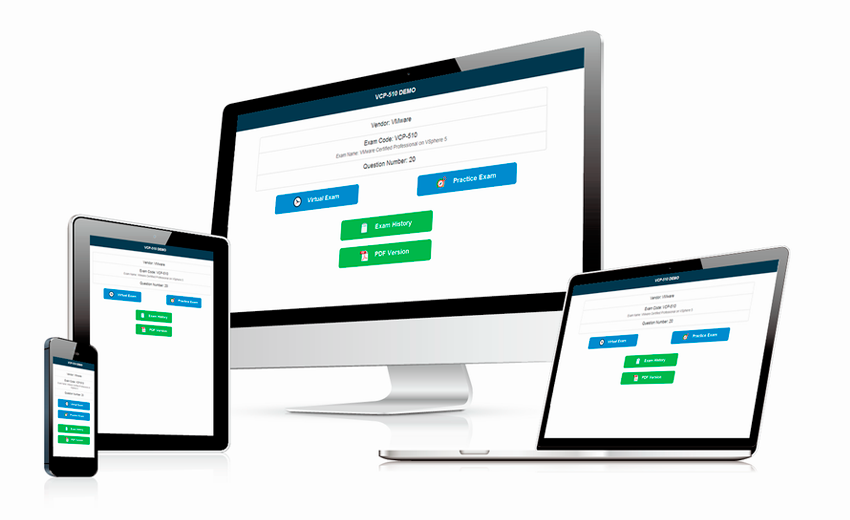
Three full versions of the 93 practice questions for the Palo Alto Networks Certified Detection and Remediation Analyst exam, all in one moderately priced package: a printable, expert-prepared PDF with instant download; a Desktop Test Engine for Windows that simulates the real exam with two practice modes and works offline; and an Online Test Engine for any browser on Windows, Mac, Android, and iOS with test history and performance review. You also receive a free demo, 365 days of free updates, a 50% renewal discount afterward, and unlimited computer installations.
Grading scales and fees are published by Palo Alto Networks and can change; verify the current details on the official site.
Palo Alto Networks recommends these training resources for the Palo Alto Networks Certified Detection and Remediation Analyst exam:
Combine the official training with the 93 practice questions from LatestCram — the questions reveal how well the training actually settled.
The Palo Alto Networks Certified Detection and Remediation Analyst exam gives you 90 minutes to answer 60-75. Time management is part of the test — rehearse with the timed mode in the LatestCram Desktop Test Engine until pacing becomes automatic.
Yes, under written conditions. Take the Palo Alto Networks Certified Detection and Remediation Analyst exam within 60 days of purchase, and if you do not pass, LatestCram refunds you in full. The policy does not apply if the exam is taken within 3 days of purchase, if the exam was never actually taken, or to free materials or expired orders, and the candidate name must match the payer name. Submit a scan of your enrollment slip and the official Score Report PDF within 2 days of the exam; claims are processed within 7 days. Alternatively, exchange for two free exam products of equal value while keeping your original update service. Orders are delivered by email within 1 minute — if nothing arrives within 2 hours, contact support.
The PCDRA exam is an official Palo Alto Networks certification exam covering the Palo Alto Networks Certified Detection and Remediation Analyst syllabus detailed above. It counts toward these credentials: Palo Alto Networks Certified XDR Analyst, Palo Alto Networks Certified XDR Engineer. As the certification grows more important in its field, the exam stays demanding — which is exactly why structured practice matters. LatestCram prepares you with 93 practice questions in PDF, Desktop Test Engine, and Online Test Engine formats.
Online proctored or authorized testing center. Note: The PCDRA exam was officially retired on April 30, 2025, and has been replaced by the Palo Alto Networks Certified XDR Analyst certification path. Sign up for the Palo Alto Networks Certified Detection and Remediation Analyst exam through these official channels:
Booked? Your LatestCram practice questions arrive by email within 1 minute, so the countdown to exam day can start immediately.
No formal prerequisite. Experience with Cortex XDR, endpoint security, SOC operations, and incident response is recommended. Since policies evolve, confirm the current requirements on the official Palo Alto Networks exam page before scheduling.
The official Palo Alto Networks Certified Detection and Remediation Analyst outline defines 5 content domains. The three heaviest are Threat Hunting and Reporting, Detection and Analytics, and Cortex XDR Architecture and Components. The full list is in the topics section above, and the 93 practice questions at LatestCram cover each domain.
Palo Alto Networks Certified Detection and Remediation Analyst Sample Questions:
Which type of IOC can you define in Cortex XDR?
- A. Source port
- B. Destination IPAddress: Destination
- C. Destination IP Address
- D. Source IP Address
Correct Answer: C 🗳️
Explanation: Only visible for LatestCram members. You can sign-up / login (it's free).
The Cortex XDR console has triggered an incident, blocking a vitally important piece of software in your organization that is known to be benign. Which of the following options would prevent Cortex XDR from blocking this software in the future, for all endpoints in your organization?
- A. Create an endpoint-specific exception.
- B. Create a global exception.
- C. Create an individual alert exclusion.
- D. Create a global inclusion.
Correct Answer: B 🗳️
Explanation: Only visible for LatestCram members. You can sign-up / login (it's free).
Which Exploit ProtectionModule (EPM) can be used to prevent attacks based on OS function?
- A. Memory Limit Heap Spray Check
- B. JIT Mitigation
- C. UASLR
- D. DLL Security
Correct Answer: B 🗳️
Explanation: Only visible for LatestCram members. You can sign-up / login (it's free).
What is the purpose of the Cortex Data Lake?
- A. the workspace for your Cortex XDR agents to detonate potential malware files
- B. a local storage facility where your logs and alert data can be aggregated
- C. a cloud-based storage facility where your firewall logs are stored
- D. the interface between firewalls and the Cortex XDR agents
Correct Answer: C 🗳️
Explanation: Only visible for LatestCram members. You can sign-up / login (it's free).
As a Malware Analyst working with Cortex XDR you notice an alert suggesting that there was a prevented attempt to open a malicious Word document. You learn from the WildFire report and AutoFocus that this document is known to have been used in Phishing campaigns since 2018. What steps can you take to ensure that the same document is not opened by other users in your organization protected by the Cortex XDR agent?
- A. Enable DLL Protection on all endpoints but there might be some false positives.
- B. No step is required because Cortex shares IOCs with our fellow Cyber Threat Alliance members.
- C. Create Behavioral Threat Protection (BTP) rules to recognize and prevent the activity.
- D. No step is required because the malicious document is already stopped.
Correct Answer: C 🗳️
Explanation: Only visible for LatestCram members. You can sign-up / login (it's free).
Viewing page 1 out of 19 pages.
Viewing questions 1-5 out of 93 questions.


 Beatrice

 Noah

 Walter

 Hale
 Frederica
 William
 Douglas
 Wythe
 Trista
 Kennedy
 Agnes
 Colby
 Walker
 Noel
 Nathan
 Isidore
 Sid
 Sharon


