


Stimulate the real exam
Our MCD-Assoc study practice guide boosts the function to stimulate the real exam. The clients can use our software to stimulate the real exam to be familiar with the speed, environment and pressure of the real MCD-Assoc exam and get a well preparation for the real exam. Under the virtual exam environment the clients can adjust their speeds to answer the MCD-Assoc questions, train their actual combat abilities and be adjusted to the pressure of the real test. They can also have an understanding of their mastery degree of our MCD-Assoc study practice guide. The clients can use our software to stimulate the real exam at any time and there are no limits for the times of stimulation.
How to book the MuleSoft Certified Developer - Integration and API Associate (Mule 3) Exam
These are following steps for registering the MuleSoft Certified Developer - Integration and API Associate (Mule 3) exam.
- Step 1: Visit to MuleSoft Exam Registration
- Step 2: Sign up/Login to MuleSoft account
- Step 3: Select local centre based on your country, date, time and confirm with a payment method.
Free trials
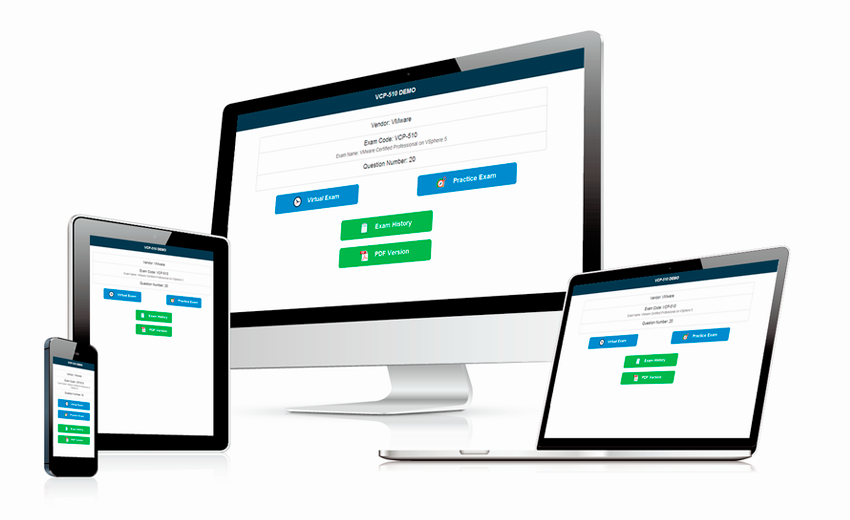
Before the clients purchase our MCD-Assoc study practice guide, they can have a free trial freely. The clients can log in our company's website and visit the pages of our products. The pages of our products lists many important information about our MuleSoft Certified Developer - Integration and API Associate (Mule 3) exam materials and they include the price, version and updated time of our products, the exam name and code, the total amount of the questions and answers, the merits of our MCD-Assoc useful test guide and the discounts. You can have a comprehensive understanding of our MCD-Assoc useful test guide after you see this information. Then you can look at the free demos and try to answer them to see the value of our MuleSoft Certified Developer - Integration and API Associate (Mule 3) exam materials and finally decide to buy them or not.
For more info read reference:
Mulesoft Training Mulesoft Documents MuleSoft quiz
Reference: https://training.mulesoft.com/exam/mcd-assoc
Topics of MuleSoft Certified Developer - Integration and API Associate (Mule 3) Exam
Candidates must know the exam topics before they start of preparation. Because it will really help them in hitting the core. Our MuleSoft Certified Developer - Integration and API Associate (Mule 3) exam dumps will include the following topics:
1. Explaining application network basics
- Explain MuleSoft's proposal for closing the IT delivery gap.
- Describe the capabilities and high-level components of Anypoint Platform for the API lifecycle.
- Define and correctly use the terms API, API implementation, API interface, API consumer, and API - invocation.
- Describe the purpose and roles of a Center for Enablement (C4E).
- Describe the role and characteristics of the “modern API.”
- Define and describe the benefits of API-led connectivity and application networks.
- Describe the basics of the HTTP protocol and the characteristics of requests and responses.
2. Designing and consuming APIs
- Read a RAML spec and formulate RESTful requests with query parameters and/or headers as appropriate.
- Identify when and how to define query parameters vs URI parameters.
- Use RAML to define reusable data types and format-independent examples.
- Describe the lifecycle of the “modern API.”
- Use RAML to define API parameters, requests, and responses.
- Use RAML to define API resources, nested resources, and methods.
3. Accessing and modifying Mule events
- Use transformers to set event payloads, attributes, and variables.
- Enrich Mule events using target parameters.
- Describe the Mule event data structure.
- Write DataWeave expressions to access and modify event payloads, attributes, and variables.
4. Structuring Mule applications
- Specify what data (payload, attributes, variables) is persisted between flows when a Flow Reference - is used.
- Specify what data (payload, attributes, variables) exists in a flow before and after a call in the middle of a flow to an external resource.
- Specify what data (payload, attributes, variables) is persisted between flows when a Mule event - crosses a connection boundary.
- Parameterize an application using property placeholders.
- Define and reuse global configurations in an application.
- Break an application into multiple flows using private flows, subflows, and the Flow Reference component.
5. Building API implementation interfaces
- Generate a REST Connector from a RAML specification.
- Manually create a RESTful interface for a Mule application.
- Describe the features and benefits of APIkit.
- Describe how requests are routed through flows generated by APIkit.
- Use APIkit to create implementation flows from a RAML file.
6. Routing events
- Use the Scatter-Gather router to multicast events.
- Use the Choice router to route events based on conditional logic.
- Validate data using the Validation module.
7. Handling errors
- Compare and contrast how the On Error Continue and On Error Propagate scopes work.
- Create one or more error handlers for a flow.
- Use the Try scope to specify error handlers for one or more event processors.
- Map errors to custom application errors.
- Describe the data structure of the Mule Error object.
- Describe the default error handling in a Mule application.
- Define a custom global default error handler for an application and identify in what situations it will be used.
8. Transforming data with DataWeave
- Define and use DataWeave variables, functions, and modules.
- Apply correct DataWeave syntax to coerce data types.
- Apply correct DataWeave syntax to format strings, numbers, and dates.
- Use DataWeave functions.
- Write DataWeave scripts to convert JSON, XML, and Java data structures to different data structures and data types.
- Call Mule flows from a DataWeave script.
- Define and use custom data types.
9. Using Connectors
- List, read, and write remote files using the FTP connector.
- Use a Web Service Consumer connector to consume SOAP web services.
- List, read, and write local files using the File connector.
- Use the Transform Message component to pass arguments to a SOAP web service.
- Retrieve data from a REST service using HTTP Request or a REST Connector.
- Create parameterized SQL queries for the Database connector.
- Retrieve data from a Database using the Database connector.
- Use the JMS connector to publish and listen for JMS messages.
10. Processing records
- Explain how Mule events are processed by the Batch Job scope.
- Use connectors with automatic watermarking capabilities.
- Use the Scheduler component to trigger a flow.
- Use a Batch Job with Batch Steps and a Batch Aggregator to process records.
- Persist data between flow executions using the Object Store.
- List and compare and contrast the methods for processing individual records in a collection.
- Describe the features, benefits, and process to use automatic watermarking vs manual watermarking.
- Use connector listeners to trigger flows.
- Explain how Mule events are processed by the For Each scope.
- Use the For Each scope to process records.
- Describe the features, benefits, and process to use watermarking.
11. Debugging and troubleshooting Mule applications
- Read and decipher Mule log error messages.
- Use breakpoints to inspect a Mule event during runtime.
- Install missing Maven dependencies.
12. Deploying and managing APIs and integrations
- Deploy applications to CloudHub.
- Create SLA tiers and apply SLA based policies.
- Use CloudHub properties to ensure deployment success.
- Connect an API implementation to API Manager using autodiscovery.
- Package Mule applications for deployment.
- Use policies, including client ID enforcement, to secure an API.
- Create and deploy API proxies.
Our world is in the state of constant change and evolving. If you want to keep pace of the time and continually transform and challenge yourself you must attend one kind of MuleSoft certificate test to improve your practical ability and increase the quantity of your knowledge. Buying our MCD-Assoc study practice guide can help you pass the test smoothly. Our MuleSoft Certified Developer - Integration and API Associate (Mule 3) exam materials have gone through strict analysis and verification by senior experts and are ready to supplement new resources at any time. We try our best to present you the most useful and efficient information about the test and provide multiple functions and intuitive methods to help the clients learn efficiently. Learning our MCD-Assoc useful test guide costs you little time and energy. The passing rate and hit rate are both high thus you will encounter few obstacles to pass the test. You can further understand our MCD-Assoc study practice guide after you read the introduction as follow.

Save time
Our MCD-Assoc useful test guide materials present the most important information to the clients in the simplest way so our clients need little time and energy to learn our MCD-Assoc useful test guide. The clients only need 20-30 hours to learn and prepare for the test. For those people who are busy in their jobs, learning or other things this is a good news because they needn't worry too much that they don't have enough time to prepare for the test and can leisurely do their main things and spare little time to learn our MCD-Assoc study practice guide. So it is a great advantage of our MuleSoft Certified Developer - Integration and API Associate (Mule 3) exam materials and a great convenience for the clients.
MuleSoft MCD-Assoc Exam Syllabus Topics:
| Section | Objectives |
|---|---|
| Topic 1: Security and Deployment | - API policies and security enforcement - Authentication and authorization mechanisms - Deployment to Anypoint Runtime Manager |
| Topic 2: API-led Connectivity and Integration Basics | - Anypoint Platform fundamentals - API-led connectivity architecture principles - System, Process, and Experience APIs |
| Topic 3: Mule Runtime and Flow Design | - Error handling strategies in Mule applications - Mule application structure and flows - Message processors and event-driven flow execution |
| Topic 4: DataWeave and Data Transformation (Mule 3) | - Common transformation patterns - Mapping JSON, XML, and CSV formats - DataWeave basics and transformation syntax |
| Topic 5: Connectors and Integration Patterns | - Batch processing fundamentals - HTTP, Database, File, and SaaS connectors - Request-response and publish-subscribe patterns |


 Michaelia
 Venus
Venus 
 Xenia
Xenia  Armand
  Jacqueline
 Bertha
  Maxwell
  Lester
  Adrian
  Violet
  Alva
Alva  Cecil
Cecil  Burnell
  Maria
Maria  Elsa
Elsa  Toby
Toby  Jeff
Jeff  Humphrey
  Bartley
  Harry
Harry 


